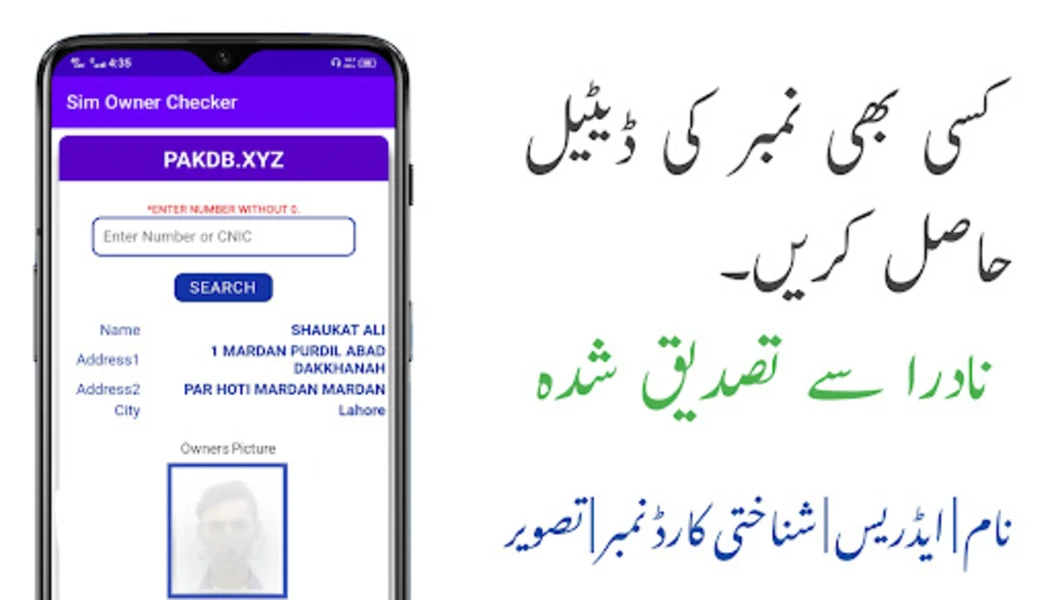
In today’s digital world, mobile SIM cards have become an essential part of communication. People use SIM cards for calling, internet access, online banking, social media accounts, and business communication. Due to increasing online activities, many users now search for ways to access sim owner details, verify unknown numbers, and understand how SIM registration systems work. This is why terms like sim owner details online check, check sim owner details, and sim data information have become highly searched online.
Many users receive unknown or messages daily and want to know who owns a particular number. Others want to verify how many SIM cards are registered under their identity. Understanding the concept of sim database systems and SIM registration records helps people protect themselves from scams, fraud, and unauthorized SIM usage.
This detailed guide explains everything about sim owner details by number, how SIM databases work, methods to check sim owner, and the importance of SIM data security. We will also discuss the legal aspects of SIM verification and how telecom authorities manage SIM registrations.
What Are SIM Owner Details?
The term sim owner details refers to the information connected with a mobile phone SIM card. When a person purchases a SIM card, telecom operators collect identification details for registration purposes. These details are stored in secure databases maintained by telecom companies and government authorities.
SIM owner records may include:
- Full name of the SIM holder
- CNIC or identity number
- Registered mobile number
- Address details
- Network provider information
- Activation date
- Biometric verification status
People commonly search for online sim owner details when they receive unknown calls or suspicious messages. However, access to private SIM information is restricted in many countries due to privacy laws and cybersecurity regulations.
Why People Search for SIM Owner Details Online Check
There are several reasons why users search for sim owner details online check services. The most common reasons include identifying spam callers, verifying personal SIM registrations, and checking family member contact records.
Some major reasons include:
Identifying Unknown Numbers
People often receive repeated calls from unknown numbers. Searching for sim owner details by number helps users identify whether the caller is genuine or suspicious.
Preventing Fraud and Scams
Cybercrime and phone scams have increased rapidly in recent years. Many people perform a check sim owner details search to verify whether a caller is legitimate before sharing sensitive information.
SIM Verification
Users also want to know how many numbers are registered under their identity card. This helps avoid misuse of personal information and unauthorized SIM activation.
Family Safety
Parents sometimes search for sim data check methods to ensure safe communication for children and elderly family members.
Understanding SIM Data Information
The phrase sim data information refers to records linked with a mobile SIM card. Telecom companies maintain these records to ensure compliance with government regulations and security requirements.
SIM data information may contain:
- Registered owner name
- Network company
- Biometric records
- Call activity logs
- SIM activation status
- Geographic region information
Telecommunication authorities use these records to prevent illegal communication activities and ensure proper identity verification.
How SIM Database Systems Work
A sim database is a centralized system that stores mobile subscriber information. Telecom companies use these databases to manage millions of SIM registrations efficiently.
When someone purchases a new SIM card, the following process usually occurs:
- Identity verification is completed
- Biometric verification may be performed
- User data is entered into the SIM database
- The number becomes linked with the customer profile
- Network activation occurs
Modern telecom systems rely on highly secure databases to protect customer privacy and prevent data leaks.
SIM Owner Details by Number Explained
Many users search for sim owner details by number because they want to identify callers quickly. In most countries, telecom companies do not publicly share personal information because privacy protection laws restrict unauthorized access.
However, there are legal ways to verify numbers:
- Official telecom authority portals
- Network provider customer support
- Government SIM verification systems
- Caller identification applications
Users should avoid illegal websites claiming to provide unrestricted SIM owner data because these platforms may compromise privacy and security.
How to Check SIM Owner Details Safely
If you want to check sim owner details, it is important to use official and trusted methods only. Many fake websites claim to offer free SIM data but often expose users to scams or malware.
Official Telecom Portals
Several telecom authorities provide official services for checking registered SIM numbers. These services help users verify numbers associated with their identity card.
Customer Support Services
Network providers often allow users to confirm registration information through helplines or mobile applications.
Mobile Verification Apps
Some trusted caller identification apps can display limited public information for unknown numbers.
Government Verification Systems
Many countries provide secure online systems for SIM verification and registration management.
Importance of SIM Registration
SIM registration plays a major role in digital security. Governments worldwide introduced SIM verification systems to reduce criminal activities and improve communication safety.
Key benefits include:
- Prevention of illegal activities
- Improved cybersecurity
- Better identity verification
- Reduced anonymous fraud
- Enhanced public safety
Without proper registration systems, criminals could misuse anonymous numbers for scams and illegal operations.
SIM Data Check and Security Awareness
The demand for sim data check services continues increasing because users want greater control over their digital identity. Regular SIM verification helps users identify unauthorized registrations quickly.
Why SIM Data Checks Matter
Checking your SIM data regularly can help:
- Detect fake registrations
- Identify duplicate SIMs
- Prevent identity misuse
- Improve personal security
- Protect financial accounts
Since many banking services rely on mobile verification, unauthorized SIM access can create serious security risks.
SIM Owner Verification and Digital Privacy
The concept of sim owner verification must always balance security and privacy. While users want protection against spam and fraud, personal data should remain secure.
Responsible SIM verification systems focus on:
- Protecting user identities
- Limiting unauthorized access
- Following privacy regulations
- Ensuring data encryption
- Maintaining secure databases
Privacy protection is essential in the digital era because personal mobile data can be highly sensitive.
Online SIM Owner Details Services
Several websites claim to provide online sim owner details instantly. Users should remain cautious because many unofficial platforms operate illegally or distribute inaccurate information.
Risks of Unofficial SIM Data Websites
Using untrusted SIM lookup websites can lead to:
- Data theft
- Malware infections
- Privacy violations
- Financial fraud
- Fake information exposure
Always prefer official telecom resources instead of random third-party services.
Legal Aspects of SIM Data Access
In many countries, unauthorized access to SIM databases is illegal. Telecom operators are legally required to protect customer data.
Laws typically restrict:
- Public sharing of personal SIM information
- Unauthorized database access
- Illegal SIM tracking
- Data selling activities
- Privacy violations
Users should avoid engaging with illegal SIM data platforms because doing so may violate cybersecurity regulations.
SIM Database Technology and Modern Networks
Modern sim database systems use advanced technology to manage large amounts of subscriber data securely. Telecom companies invest heavily in cybersecurity infrastructure to protect customer records.
Key technologies include:
- Cloud-based storage systems
- Encryption protocols
- Biometric verification systems
- AI-based fraud detection
- Secure authentication methods
These systems help telecom providers maintain secure and reliable communication networks.
Common Reasons for Unknown Calls
People frequently search for check sim owner methods after receiving suspicious calls. Unknown numbers may originate from various sources.
Common reasons include:
- Marketing campaigns
- Spam callers
- Scam attempts
- Business promotions
- Robocalls
- Wrong numbers
Understanding caller identification methods can help users stay protected from fraud.
SIM Data Protection Tips
Protecting personal SIM data is extremely important. Users should follow best practices to reduce security risks.
Use Strong Mobile Security
Enable device passwords and biometric authentication for added protection.
Avoid Sharing OTP Codes
Never share one-time passwords or verification codes with unknown callers.
Monitor Registered SIMs
Regularly perform a sim data check to verify authorized numbers linked with your identity.
Report Suspicious Activity
Immediately report unknown registrations or suspicious calls to your telecom provider.
Update Personal Information
Ensure your registered identity information remains accurate and up to date.
Minahil SIM Data Searches Explained
The keyword minahil sim data has become popular in online searches because many users look for specific name-based SIM information. Such searches usually relate to curiosity about registration records or caller identification.
However, personal data privacy remains important. Accessing someone’s private SIM information without authorization may violate legal and ethical standards.
Instead of attempting unauthorized access, users should rely on official telecom verification services for legitimate purposes.
Telecom Authorities and SIM Regulations
Telecom authorities regulate SIM registration policies to maintain secure communication systems. These organizations establish rules for telecom operators and subscribers.
Their responsibilities often include:
- Managing SIM registration systems
- Monitoring illegal communications
- Protecting subscriber privacy
- Enforcing cybersecurity laws
- Regulating telecom operators
Strong telecom regulation helps maintain safe and organized digital communication networks.
Future of SIM Verification Systems
SIM verification technology continues evolving rapidly. Future systems may become even more secure through advanced authentication technologies.
Expected developments include:
- AI-based identity verification
- Blockchain-powered databases
- Enhanced biometric systems
- Real-time fraud monitoring
- Stronger encryption methods
As technology advances, telecom security systems will likely become more accurate and efficient.
How SIM Databases Support Cybersecurity
Modern cybersecurity strategies heavily depend on accurate SIM registration records. Verified mobile identities help authorities investigate cybercrime and prevent digital fraud.
SIM databases assist in:
- Criminal investigations
- Scam prevention
- Identity verification
- Financial transaction security
- Online account protection
Reliable subscriber records contribute significantly to national cybersecurity infrastructure.
Challenges in SIM Data Management
Managing large-scale SIM databases presents several technical and security challenges.
Data Privacy Risks
Telecom companies must protect sensitive customer information from hackers and unauthorized access.
Database Accuracy
Incorrect or outdated subscriber information can create security and operational issues.
Fraudulent Registrations
Fake identities and forged documents remain challenges for telecom authorities worldwide.
Cybersecurity Threats
Telecom databases are attractive targets for cybercriminals seeking personal information.
Continuous investment in cybersecurity technology is essential for protecting subscriber data.
SIM Owner Details and Mobile Banking
Mobile banking services often rely on registered SIM numbers for authentication. This makes SIM ownership verification critically important for financial security.
Banks use registered mobile numbers for:
- OTP verification
- Account recovery
- Transaction alerts
- Security confirmations
- Fraud monitoring
Unauthorized SIM access can therefore create serious financial risks.
Public Awareness About SIM Security
Increasing public awareness about SIM security is extremely important. Many people remain unaware of how SIM misuse can affect their digital identity and financial accounts.
Awareness campaigns can help users understand:
- Safe SIM registration practices
- Privacy protection methods
- Scam prevention strategies
- Secure communication habits
- Official verification procedures
Educated users are better equipped to protect themselves from digital threats.
Ethical Use of SIM Data Information
Using sim data information responsibly is essential for maintaining digital trust and privacy. People should avoid misusing personal data for unauthorized activities.
Ethical SIM data usage includes:
- Respecting privacy rights
- Using official verification systems
- Avoiding illegal data access
- Reporting suspicious activity
- Following cybersecurity laws
Responsible digital behavior helps create safer online environments for everyone.
Myths About SIM Owner Detail Searches
There are many misconceptions surrounding sim owner detail searches online. Some people believe that complete subscriber information can easily be accessed through random websites.
In reality:
- Most official databases are private
- Telecom companies protect customer records
- Unauthorized access is illegal
- Many online lookup tools are fake
- Reliable verification requires official authorization
Users should always verify information sources carefully before trusting them.
SIM Verification for Businesses
Businesses also rely heavily on SIM verification systems for secure communication. Corporate organizations use registered numbers for customer service, marketing campaigns, and internal communication.
Benefits for businesses include:
- Secure customer interaction
- Fraud prevention
- Improved communication reliability
- Better customer authentication
- Enhanced digital trust
Verified communication channels improve business credibility and operational efficiency.
Role of Biometric Verification in SIM Registration
Biometric verification has become a major part of SIM registration systems in many countries. This process links SIM cards directly with verified identities.
Common biometric methods include:
- Fingerprint scanning
- Facial recognition
- Identity document verification
- Live photo authentication
Biometric systems significantly reduce fraudulent SIM activations and fake registrations.
Importance of Responsible Online Searches
When searching for sim owner details online check, users should act responsibly and respect privacy laws. Unauthorized attempts to access personal data can lead to legal consequences.
Safe online behavior includes:
- Using official resources
- Avoiding suspicious websites
- Respecting personal privacy
- Following local regulations
- Protecting sensitive information
Responsible internet usage contributes to a safer digital ecosystem.
How Telecom Companies Protect SIM Databases
Telecom providers implement multiple security layers to protect customer records from cyber threats.
Security measures often include:
- End-to-end encryption
- Multi-factor authentication
- Continuous system monitoring
- Firewall protection
- Access control systems
These protections help secure sensitive subscriber information from hackers and unauthorized users.
Growing Demand for SIM Verification Services
The increasing use of smartphones and online services continues driving demand for SIM verification tools. Users want safer communication channels and better identity protection.
Industries benefiting from SIM verification include:
- Banking
- E-commerce
- Social media
- Telecommunications
- Online marketplaces
Reliable identity verification systems support secure digital interactions across multiple sectors.
SIM Owner Details and Digital Identity
Mobile numbers now play a major role in digital identity management. Many online platforms use phone numbers for account verification and security checks.
Because of this, maintaining accurate SIM ownership records has become increasingly important for:
- Account protection
- Identity verification
- Cybersecurity
- Online privacy
- Fraud prevention
A secure SIM registration system strengthens the overall digital ecosystem.
Final Thoughts
The growing interest in sim owner details, sim owner details online check, and sim data information reflects increasing public awareness about digital security and identity verification. Mobile numbers are deeply connected with modern communication, banking, and online activities, making SIM registration systems extremely important.
While many people search for sim owner details by number, it is essential to respect privacy laws and use only official verification methods. Unauthorized access to SIM databases can violate legal and ethical standards. Users should focus on safe verification practices, secure communication habits, and responsible digital behavior.
Modern telecom systems continue evolving with advanced security technologies, biometric verification, and encrypted databases to protect subscriber information. Whether you want to check sim owner details, perform a sim data check, or understand how SIM databases work, using trusted telecom resources remains the safest and most reliable approach.
As digital communication expands globally, awareness about SIM security, privacy protection, and responsible data usage will become even more important in the future.